


Scotland’s Best: Travel Guide
5.03.00 Reviews
App Specs
- Version
- 2.1
- Updated On
- License
- Free
- Downloads
- 10,000+
- Developer
- TouchScreenTravels
- Categories
- Travel & Local
- Platform
- Android
Screenshots
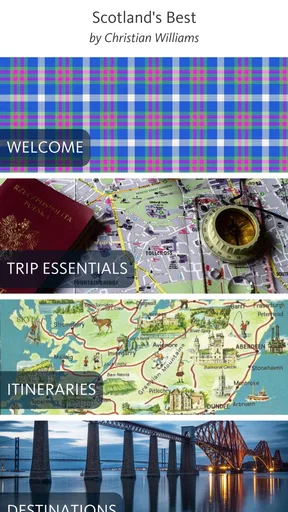
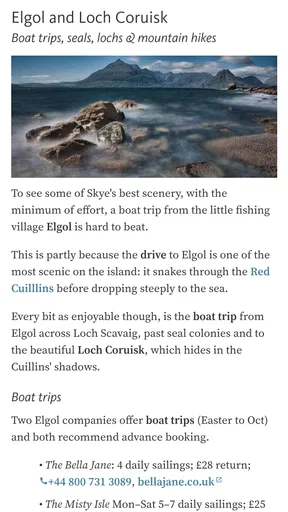
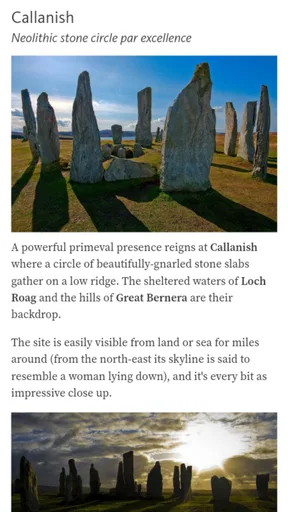
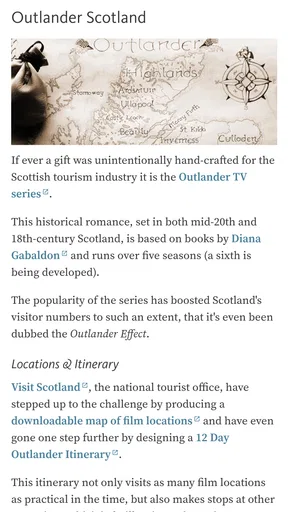
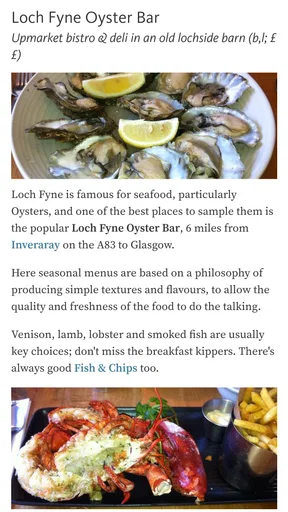
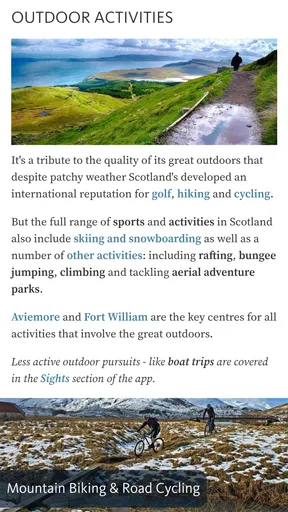
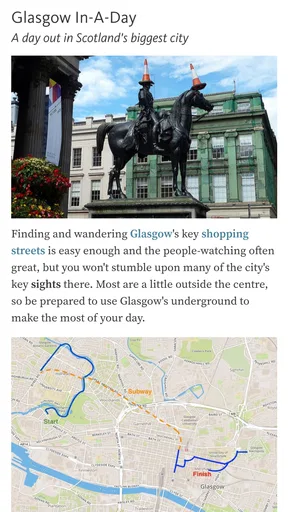
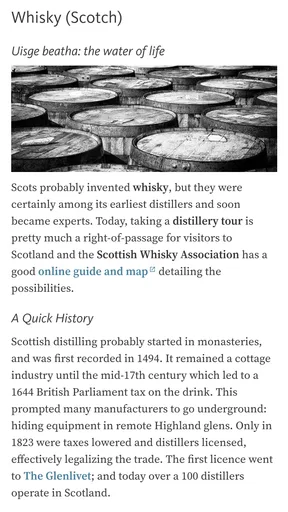
 Analysis by AppCompare
I found Scotland’s Best: Travel Guide most useful when I treated it as a focused companion for planning, not as a complete replacement for every travel tool on my phone. It comes from TouchScreenTravels and sits in the Travel & Local category, with a clear purpose: helping visitors explore Scotland’s highlights through an independent guide rather than pushing them toward a booking service or a general-purpose social platform.
That distinction matters. When I plan a trip, I usually move between maps, search results, hotel pages, transport apps and scattered blog posts. This guide offers a calmer starting point. Instead of asking me to sort through endless results, it encourages me to think about what kind of Scottish experience I want and then use a curated travel resource to shape the day. I like that approach, although it also means I would not rely on it alone for live travel information.
A focused guide for turning Scottish highlights into a workable trip
The app’s strongest quality is its sense of direction. Scotland is easy to underestimate on a screen: a place that looks close on a map may take much longer to reach because of winding roads, weather, traffic or limited transport options. A guide aimed at the country’s highlights can help me decide what deserves attention before I start building an itinerary around unrealistic distances.
In practical use, I would open it during the early planning stage, when I know I want to visit Scotland but have not yet decided whether the trip should focus on historic places, dramatic landscapes, cities, islands or a mixture of everything. I would make a shortlist first, then check each choice against a proper map and current transport information. That workflow keeps the guide in its strongest role: inspiration and orientation, followed by verification elsewhere.
I also see value in using it away from the main planning session. A traveller staying in Edinburgh, Inverness or another base may want ideas for the next free day without spending an hour searching through conflicting recommendations. A curated guide can reduce that decision fatigue. It is especially handy for someone who prefers a readable overview to a stream of user comments, sponsored-looking results and duplicate listings.
The store presents it as an independent guide, and that shapes my expectations in a positive way. I am not approaching it as a booking engine, a navigation replacement or a live alert service. I am approaching it as a travel reference made by TouchScreenTravels. That makes the experience easier to judge: its success depends on whether the selection and presentation help me make better choices, not on whether it can perform every travel task in one place.
Where it fits in a real travel routine
Imagine I have a long weekend and want to combine a city stay with one scenic day. I could use the guide to identify the kind of highlight that fits my interests, note the places that keep appearing in my plan, and then use a mapping app to estimate travel time. Before leaving, I would check opening arrangements, road conditions and any seasonal restrictions through current official sources. During the trip, I would return to the guide when I needed a reminder of why a place was worth visiting or wanted to choose between two nearby ideas.
Worth Reading Before You Choose

Flipboard Shows What News Apps Must Do Beyond the Feed

Switching to Android Auto Means Rethinking Your Driving Routine

Google Calendar Makes a Crowded Week Easier to Manage

Ludo King Makes the Most of the Minutes Between Plans

Baby Panda World Brings Quick Play to Modern Phones, but Its Game Library Feels Busy

ESPN’s Live Game View Makes Following Close Games Easier
That separation of jobs is one of the most useful ways to use it. General map apps are excellent at directions, but they often make every result look equally important. Search engines are broad, but their results can be noisy. Social platforms are good for recent visual impressions, yet they can overemphasise photogenic stops. This guide is more valuable when I want a considered starting point rather than another list generated from popularity.
It is also a sensible option for travellers who do not want to create an account just to browse basic destination ideas. I would still inspect the app’s current permission prompts and any privacy choices shown during installation, because those are the places where a user can see what access is being requested. I would not assume that a travel app has no data implications simply because it is a guide rather than a booking service.
What the visible product details tell me
The app is free to install and is marked suitable for Everyone, which makes it approachable for families and casual travellers. Its current version is 2.1, and the minimum operating-system requirement is 10. In practical terms, I would check device compatibility before setting off, especially if I planned to use an older phone as a dedicated travel device.
There are optional in-app purchases priced at $5.49 per item. I would pay attention to the purchase screen before confirming anything and make sure I understand what an item unlocks. The free entry point is useful for deciding whether the guide matches my planning style, while the paid option means I should avoid assuming that every part of the experience is included automatically.
The app shows a 5.0 average from around 98 ratings, along with 10K+ installs and three written reviews. Those figures suggest a small but very positive audience rather than the broad consensus attached to a mass-market travel platform. I read that as encouragement, not proof that it will suit every traveller. A perfect average from a limited pool cannot answer questions about offline use, update frequency, accessibility or how well the guide fits a particular route.
Its release history reaches back to Dec 14, 2016, while the current version indicates that it has received later maintenance. I would still avoid treating age alone as evidence of reliability. Travel information changes quickly, and a guide can remain pleasant to use while individual details become dated. That is why I would verify anything involving admission, transport, opening arrangements or safety before depending on it.
Trust begins with what I can actually control
My trust in a travel app comes less from a polished description than from the choices visible on the device. I want to know what permissions appear, whether access can be declined, whether the app asks me to create an account, and whether purchase decisions are clearly separated from ordinary browsing. I would review those prompts during setup instead of tapping through them automatically.
I also prefer to keep the guide’s role narrow. I would not enter sensitive personal details merely to browse destinations, and I would avoid storing information in the app that is not necessary for my trip. If I needed to share a full itinerary, I would use a method I already understand and trust rather than assuming the guide is designed for group coordination.
There is a practical privacy benefit to this cautious workflow: I can use the app for ideas while keeping bookings, payment details and identity documents in the services that actually require them. That division makes it easier to understand where my information goes. It also limits the damage if I later decide the guide is not the right fit.
I would make the same distinction with location access. If the app presents a choice about location, I would consider whether I need it at that moment. For browsing Scottish highlights from home, I would not see an obvious reason to grant more access than necessary. On the road, a map application may be better suited to live positioning anyway. The important point is to make the choice deliberately rather than treating location access as an automatic requirement for travel content.
Moments when a guide is not enough
The most important limitation is the difference between curated information and live conditions. A guide can help me choose a destination, but it cannot replace current checks for weather, road closures, ferry changes, temporary restrictions or local safety advice. Scotland’s landscapes can be beautiful and demanding at the same time, so I would never interpret an appealing description as a guarantee that a route is suitable on the day.
This is where a general map service has the advantage. It can usually handle turn-by-turn navigation and route changes more directly. Official tourism or attraction sources are also preferable when I need current admission rules or event details. I would use this app to decide what deserves investigation, then confirm the practical details with the source responsible for them.
Another trade-off concerns personal travel style. If I enjoy discovering small cafés, newly opened venues and local events through recent community updates, a specialist guide may feel too selective. A social platform or local search tool can provide fresher user-generated material. On the other hand, those alternatives may require more filtering and can make planning feel like research work. I would choose based on whether I value curation or immediacy for that particular trip.
I would also be careful with remote destinations. A beautiful highlight may be a poor choice if I have limited daylight, no car, mobility constraints or a tight return schedule. The app can support the decision, but it cannot know my fitness, equipment, transport backup or comfort level unless I bring that judgement myself. For a family with young children or a traveller with accessibility needs, I would treat the guide as a source of possibilities and then seek specific access information before committing.
Three smarter ways to use it
Build a shortlist before opening the map. Instead of immediately plotting every interesting place, I would first choose a small group of highlights from the guide. Then I would compare them geographically. This avoids the common mistake of creating an attractive but exhausting itinerary that zigzags across the country.
Separate inspiration from confirmation. I would use the guide for the “why go?” question and official or live services for the “can I go today?” question. That simple division protects me from relying on an older detail when weather, transport or opening arrangements have changed.
Use the free experience as a compatibility test. Before considering an optional purchase, I would see whether the writing style, coverage and organisation actually match my trip. The $5.49 price per item makes it especially sensible to identify what I need first rather than paying out of curiosity.
A fourth useful habit is to plan around bases rather than attractions. I would choose where I am sleeping, select highlights that make sense from that location, and leave room for one flexible day. That approach is better suited to Scotland than trying to collect as many distant landmarks as possible. It also gives me a fallback if rain or transport problems change the original plan.
Who will appreciate it most
I would recommend this app to a first-time visitor who wants a manageable overview, a couple planning a scenic break, or a traveller who prefers editorial guidance to endless search results. It can also help someone who is still deciding between different kinds of Scottish holiday. The focused subject makes it less intimidating than a huge travel platform filled with hotels, restaurants, advertisements and unrelated activities.
It is a particularly good fit for people who plan thoughtfully but do not want to read dozens of articles before choosing a destination. The guide can act as a filter. I can begin with its selection, identify the places that genuinely interest me, and spend my deeper research time only on those candidates.
I would be more hesitant to recommend it as the only travel app for an experienced road-tripper who needs live routing, detailed trail information, current closures and granular local updates. That traveller will probably get more value from combining it with navigation, weather and official destination resources. I would also suggest caution for anyone expecting a booking workflow, personalised recommendations or a constantly refreshed community feed.
My verdict after weighing usefulness against caution
Scotland’s Best: Travel Guide earns its place as a focused planning aid because it gives the trip a starting point. I like the idea of using a dedicated guide to narrow the country’s possibilities into a more human-sized plan, especially when the alternative is bouncing between generic search results. Its free access, Everyone rating and straightforward travel purpose make it easy to try without committing to a complicated ecosystem.
My recommendation comes with a clear boundary: I would use it for selection and context, not for time-sensitive decisions. I would check permissions and purchase choices carefully, keep sensitive information out of the app unless genuinely needed, and confirm practical details through current sources. Those habits do not reduce its value; they put it in the right place within a responsible travel workflow.
For me, the best result would be a layered setup: this guide for ideas, a map for distance and directions, official sources for changes, and a weather service for the day itself. If that sounds like the way you already plan, I think the app is worth exploring. If you want one tool to handle every part of a Scottish trip, I would choose a broader alternative and use this only as a supplementary reference.
Overall, I see it as a useful, low-pressure companion for discovering Scotland’s major appeal without pretending to solve every travel problem. Its real strength is helping me decide where to look next; my responsibility is checking whether that choice works in the real world.
Pros
- Covers lesser-known Scottish locations beyond the main tourist routes.
- Useful offline access can help when traveling through areas with weak signal.
- Includes practical ideas for scenic drives
- walks
- and local experiences.
- Compact format makes it convenient to browse while exploring.
- Can help organize a trip around regional highlights and attractions.
Cons
- Some information may become outdated as opening times and prices change.
- Coverage may feel uneven between popular cities and remote areas.
- Limited value for travelers seeking detailed public transport planning.
- Recommendations may not suit visitors looking for nightlife or family activities.
- Extra map or navigation apps may still be needed for precise directions.
FAQs for Scotland’s Best: Travel Guide
What is Scotland’s Best: Travel Guide?
Scotland’s Best: Travel Guide is a travel companion designed to help visitors discover notable destinations, attractions, landscapes, cultural sites, and local experiences across Scotland. It can be useful when planning an itinerary or looking for ideas during a trip, especially for travelers interested in combining famous locations with less obvious places. Before downloading, check the current store description to confirm the guide’s coverage and available features.
Does Scotland’s Best: Travel Guide work offline?
Offline access is an important consideration when traveling through Scotland, where mobile coverage may vary in rural and mountainous areas. The guide may provide some content without a continuous internet connection, but users should verify exactly what can be accessed offline, including maps, images, directions, and destination details. Downloading or saving essential information before leaving Wi-Fi is recommended.
Can the app help me plan a complete Scotland itinerary?
The app can provide inspiration and practical information for building a Scotland trip, but it should not necessarily be treated as a complete booking or itinerary-management service. Travelers may still need separate tools for accommodation, transportation, opening hours, reservations, weather, and navigation. Its usefulness will depend on how detailed its destination recommendations are and whether they match your travel style and schedule.
What kinds of places and activities are included in the guide?
Scotland’s Best: Travel Guide is intended for travelers seeking information about a broad selection of Scottish experiences, potentially including cities, castles, historic landmarks, scenic routes, islands, coastlines, natural attractions, and cultural highlights. Coverage can differ between app versions, so users should review screenshots and the latest store listing to see whether the regions and activities they want are actually represented.
Is Scotland’s Best: Travel Guide free to download and suitable for every traveler?
The download price, advertising, in-app purchases, and available features can vary depending on the platform and the current version. Check the Google Play or App Store listing before installing so you understand any costs or restrictions. The guide may suit independent travelers, couples, families, and first-time visitors, although users wanting live navigation, real-time transport updates, or booking tools may need additional apps.


